
Naphthalene
General Fact Sheet
- What is naphthalene?
- What are some products that contain naphthalene?
- How does naphthalene work?
- How might I be exposed to naphthalene?
- What are some signs and symptoms from a brief exposure to naphthalene?
- What happens to naphthalene when it enters the body?
- Is naphthalene likely to contribute to the development of cancer?
- Has anyone studied non-cancer effects from long-term exposure to naphthalene?
- Are children more sensitive to naphthalene than adults?
- What happens to naphthalene in the environment?
- Can naphthalene affect birds, fish, and other wildlife?
What is naphthalene?
Naphthalene is made from crude oil or coal tar. It is also produced when things burn, so naphthalene is found in cigarette smoke, car exhaust, and smoke from forest fires. It is used as an insecticide and pest repellent. Naphthalene was first registered as a pesticide in the United States in 1948.

What are some products that contain naphthalene?
Mothballs and other products containing naphthalene are solids that turn into toxic gas. The toxic gas kills insects and may repel animals. There are over a dozen products containing naphthalene registered for use by the U.S. Environmental Protection Agency (U.S. EPA).
Always follow label instructions and take steps to avoid exposure. If any exposures occur, be sure to follow the First Aid instructions on the product label carefully. For additional treatment advice, contact the Poison Control Center at 1-800-222-1222. If you wish to discuss a pesticide problem, please call 1-800-858-7378.
How does naphthalene work?
When naphthalene gas is inhaled, the body breaks it down into other chemicals that react with cells in the body and damage tissues. How naphthalene kills moths is not understood. The odor is thought to be unpleasant enough to drive animals away in repellent products.
How might I be exposed to naphthalene?
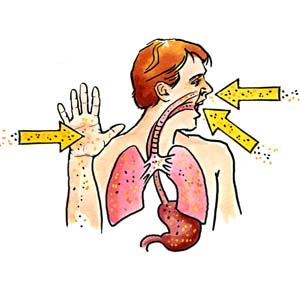
You can be exposed to a pesticide if you breathe it in, get it on your skin, or if you accidentally eat or drink something containing a pesticide. This can happen if you get some on your hands and don’t wash them before eating or smoking. People are most likely to be exposed to naphthalene by breathing in the vapors. When you smell mothballs, you are inhaling the pesticide. Small children and pets are at risk of eating mothballs, because they look like candy or other treats.

What are some signs and symptoms from a brief exposure to naphthalene?
People have developed headaches, nausea, dizziness, and/or vomiting after being exposed to naphthalene vapors. If someone breathes in enough of the vapor or eats a mothball containing naphthalene, they might develop hemolytic anemia. This is when red blood cells break apart, and no longer carry oxygen the way they should. Small children have also developed diarrhea, fever, abdominal pain, and painful urination with discolored urine after eating naphthalene mothballs. Dogs that have eaten naphthalene mothballs may have lethargy, vomiting, diarrhea, lack of appetite and tremors.
Clothing that was stored in mothballs without being washed afterwards has caused anemia in infants who wore the clothing, diapers or blankets. People with an inherited enzyme deficiency are at much greater risk of anemia than people with normal enzyme levels.
What happens to naphthalene when it enters the body?
In humans, naphthalene is broken down to alpha-naphthol, which is linked to the development of hemolytic anemia. Kidney and liver damage may also occur. Alpha-naphthol and other metabolites are excreted in urine.
In animals, naphthalene breaks down into other compounds including alpha-naphthol, which may affect the lungs and eyes. Naphthalene was found in the milk of exposed cows, but the residues disappeared quickly after the cows were no longer exposed. Nearly all the naphthalene was broken down into other compounds and excreted in their urine.
Is naphthalene likely to contribute to the development of cancer?
Animal studies have suggested that naphthalene can cause cancer. The International Agency for Research on Cancer (IARC) of the World Health Organization (WHO) concluded that naphthalene is possibly carcinogenic to humans. The U.S. EPA classified naphthalene as a possible human carcinogen, also based on animal studies.
Has anyone studied non-cancer effects from long-term exposure to naphthalene?
Rats fed naphthalene while pregnant did not gain weight as quickly. In humans, women who ate naphthalene mothballs or inhaled the vapors while pregnant gave birth to babies with hemolytic anemia. No information was found on naphthalene and asthma or other chronic diseases.

Are children more sensitive to naphthalene than adults?
While children may be especially sensitive to pesticides compared to adults, there are currently no data showing that children have increased sensitivity specifically to naphthalene. However, small children are at greatest danger from eating stray mothballs, because they may look like candy.
What happens to naphthalene in the environment?
Most naphthalene in the environment will turn into a gas. Some of it may be bound to soil, where it can be taken up by plants. It can also be deposited on plant leaves from the air. Naphthalene is broken down by bacteria, fungi, air, and sunlight. Naphthalene has been found in wastewater treatment plant discharge. No information was found on naphthalene and groundwater. The half-life of naphthalene in the environment may range from less than one day in air to over 80 days in soil.

Can naphthalene affect birds, fish, or other wildlife?
Naphthalene was considered moderately toxic to several species of fish, water fleas, and Pacific oysters. It was considered slightly toxic to green algae. Naphthalene was considered practically non-toxic after being fed to bobwhite quail.
Where can I get more information?
For more detailed information about naphthalene please visit the list of referenced resourcesor call the National Pesticide Information Center, Monday – Friday, between 8:00am – 12:00pm Pacific Time (11:00am – 3:00pm Eastern Time) at 1-800-858-7378 or visit us on the web athttps://npic.orst.edu. NPIC provides objective, science-based answers to questions about pesticides.
Please cite as: Gervais, J.; Luukinen, B.; Buhl, K.; Stone, D. 2010. Naphthalene General Fact Sheet; National Pesticide Information Center, Oregon State University Extension Services. https://npic.orst.edu/factsheets/naphgen.html.
DO MOTHBALLS REPEL ANIMALS?
By Chris Williams on December 1, 2011.
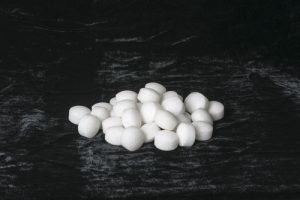
Mothballs, moth crystals, or moth cakes are an age-old remedy for getting rid of everything from moths, to cockroaches, to squirrels in the attic. But do mothballs really work to repel animals from an area?
The first thing to know is that mothballs or moth crystals are considered to be pesticides and are regulated by the Environmental Protection Agency. They contain either naphthalene or paradichlorobenzene as the active ingredient. Because they are regulated by EPA, use of the products in any manner not in accordance with the product’s label is illegal. Mothball labels direct you to use the product only inside tightly sealed containers where the fumes are contained. Mothballs or moth crystals are not to be used in open areas where the vapors can be inhaled by people.
 There are commercial repellent products available that contain naphthalene and sulfur and that have labels that do allow their use to repel rodents, snakes, raccoons, skunks, squirrels, bats, woodpeckers, and others. The manufacturers of these products claim that these “area repellents” irritate the animals’ noses or respiratory tract, cause general distress, and ultimately drive them from the area. For most situations and most animals, these products give poor results. Experts say that naphthalene does repel bats but only if used at 100% concentration (most products are 7% naphthalene), and only if the area is tightly confined so that the concentration remains high. But most attics and areas where bats roost cannot be tightly sealed (and if they were sealed, how would the bats get out?).
Research has not shown that either naphthalene or paradiclorobenzene effectively repel animals from an area. If an animal has other nest sites, or has just moved into the area, mothballs may cause it to leave. But if there is only one choice nesting area available, and especially if there are young involved, mothballs are not going to move that animal out of its nest site.
Sometimes mothballs or moth crystals get undeserved credit because (1) they were applied at the time of year that the animal was getting ready to leave the nest site anyway; or (2) the animal is just checking-out the area and never intended to remain at all; or (3) the physical disturbance of applying the mothballs (not the odor itself) drives the animal away. Something has changed in its environment and it doesn’t like change.
You also need to consider the effects of high levels of naphthalene or paradichlorobenzene on the human inhabitants of your home. Naphthalene is considered to have low mammalian toxicity, but some people are very sensitive to it. Mothballs or crystals are highly toxic if ingested. And there’s no question that the odor is strong and not especially desirable. If you can smell mothballs, you are inhaling the pesticide.
Animal repellents may, or may not, work, but this is like putting a band-aid on the problem. The best way to get rid of unwanted nuisance animals in or around your home is to humanely trap them out of the space and then seal openings so that the animals cannot re-enter – something we do all the time at Colonial. Don’t subject your family to the odor and mess of repellents. Instead, contact Colonial Pest for a free quote, or call us at 1-888-982-2963 right now, for a permanent solution to your nuisance animal problem.